What is AICAR?
AICAR (5-Aminoimidazole-4-carboxamide ribonucleotide) is widely recognized for its role in regulating energy metabolism through the activation of AMPK (AMP-activated protein kinase). Often described as a cellular “energy sensor,” AMPK helps cells balance their energy supply and demand by encouraging pathways that generate ATP and limiting processes that consume significant energy. By functioning as an AMP analog, AICAR effectively mimics low-energy states in cells, prompting the body to optimize glucose uptake, increase fat oxidation, and enhance mitochondrial function.
Scientists first investigated AICAR for potential cardiovascular and metabolic applications, but its relevance soon expanded to include research into endurance, obesity management, and even longevity. Its ability to shift metabolic processes away from purely carbohydrate-based energy—while simultaneously improving insulin sensitivity—has made AICAR peptide a vital subject in exercise physiology and chronic disease studies.
How Does AICAR Work?
- AMPK Activation & Cellular Energy Regulation: AICAR peptide stands out because it directly activates AMPK, a central enzyme that detects changes in cellular energy stores. When activated by AICAR, AMPK promotes energy-efficient pathways—for example, boosting fatty acid oxidation and glucose uptake—while reducing anabolic processes. This mechanism allows muscle tissues to utilize stored nutrients more effectively, supporting everything from enhanced endurance to improved metabolic profiles in insulin-resistant conditions.
- Glucose Uptake & Insulin Sensitivity: A key effect of AMPK activation is the upregulation of GLUT4 receptors, which transport glucose into cells independently of insulin. By increasing GLUT4 expression in skeletal muscle, AICAR peptide benefits can include more stable blood glucose levels and improved insulin sensitivity, making it a candidate of interest in type 2 diabetes research and metabolic syndrome management.
- Fat Oxidation & Mitochondrial Biogenesis: AICAR helps shift energy usage toward fat oxidation, meaning the body accesses fat stores more readily as a primary fuel source. This shift is particularly valuable in endurance contexts, as it can postpone glycogen depletion and delay fatigue. Research also points to aicar peptide boosting mitochondrial biogenesis, thereby enhancing ATP production and overall metabolic efficiency—a potential game-changer in anti-aging and sports science.
- Muscle Adaptation & Endurance: Studies indicate that AICAR peptide can mimic certain adaptations usually triggered by aerobic exercise. By amplifying AMPK’s role, AICAR may lead to increased stamina and a delay in muscle fatigue. While it does not replace the multitude of benefits derived from physical training, its capacity to induce exercise-like adaptations at the cellular level underscores why it intrigues sports scientists and exercise physiologists.
- Cardiovascular Protection & Anti-Inflammatory Effects: Because AICAR supports efficient energy use and can reduce oxidative stress, researchers have explored its cardioprotective potential. In ischemic conditions—where blood flow is limited—AICAR’s activation of AMPK could help preserve ATP levels, protect heart tissue, and moderate inflammation. Such properties highlight its possible therapeutic role in managing heart disease and ischemic injury.
Research on AICAR Peptide
AICAR has undergone extensive scientific scrutiny for its impact on metabolic regulation, endurance enhancement, and mitochondrial function. By activating AMPK directly, this compound influences several physiological processes:
- AMPK Activation & Metabolic Regulation: One of the primary aicar peptide benefits is its ability to boost metabolic flexibility and promote energy homeostasis. Studies suggest that heightened AMPK activity can lead to better glucose tolerance, healthier lipid profiles, and potentially aid in weight management.
- Glucose Metabolism & Insulin Sensitivity: AICAR peptide has been shown to improve insulin-independent glucose uptake by regulating GLUT4 expression. This effect could become especially useful in interventions targeting type 2 diabetes and metabolic syndrome, where controlling blood sugar and enhancing insulin sensitivity remain pivotal.
- Exercise Endurance & Fat Oxidation: Rodent studies have revealed that AICAR treatment can augment endurance capacity by stimulating fatty acid utilization. This shift not only helps spare glycogen but also postpones muscle fatigue—mechanisms essential in prolonged athletic performance or in clinical scenarios where muscle fatigue is a concern.
- Cardiovascular & Ischemia Research: AMPK activation by AICAR peptide holds promise for cardioprotection. Research indicates that it helps reduce damage from restricted blood flow and oxidative stress, pointing to avenues for therapies that support cardiac health and minimize complications associated with heart disease.
- Longevity & Anti-Aging Potential: By stimulating mitochondrial biogenesis and diminishing oxidative stress, AICAR has become a compound of interest in anti-aging science. Some preliminary findings suggest it may mitigate aspects of metabolic decline seen with aging, although further research is needed for definitive conclusions.
Aicar – Structural and Molecular Properties
Though it is sometimes referred to colloquially as a “peptide,” AICAR is technically a nucleoside analog, structurally similar to adenosine monophosphate (AMP). Its molecular design allows it to bypass certain regulatory steps needed to engage AMPK. Notable structural features include:
- AMP-Like Configuration: The molecule closely mimics AMP, enabling it to directly bind and activate AMPK in cells under certain conditions.
- High Cell Permeability: AICAR is readily taken up by many cell types, facilitating its metabolic effects without requiring complex delivery vehicles.
- Therapeutic Adaptations: Ongoing research explores modified forms or conjugations of AICAR to further enhance its stability, bioavailability, and selectivity.
History and Development of AICAR
Originally investigated for its potential cardiovascular benefits, AICAR garnered wider attention after groundbreaking studies in the mid-2000s showed that rodents treated with AICAR displayed significantly improved endurance levels without engaging in actual exercise. This finding captured the interest of metabolic and sports scientists alike, spurring extensive inquiries into how aicar peptide benefits might extend to muscle adaptation, cardioprotection, and metabolic disease management.
Over time, researchers have expanded their focus to evaluate AICAR in various applications, including the mitigation of insulin resistance, the treatment of ischemic conditions, and the exploration of possible longevity effects. While clinical data remain ongoing, AICAR’s unique ability to influence AMPK activation from multiple angles has positioned it as a key compound in metabolic and exercise-related research.
Benefits and Potential Applications of AICAR
AICAR offers a broad spectrum of advantages by virtue of its profound effects on cellular energy regulation. Commonly referenced aicar peptide benefits include:
- Metabolic Regulation & Insulin Sensitivity: By promoting GLUT4-mediated glucose uptake and optimizing insulin signaling, AICAR peptide may aid in the management of type 2 diabetes and metabolic syndrome. This improvement in glycemic control makes AICAR particularly compelling for ongoing metabolic research.
- Mitochondrial Function & Longevity: Enhanced mitochondrial biogenesis, a hallmark of AICAR action, supports improved ATP generation and reduced oxidative stress. These effects are linked to better cellular health and have spurred investigations into AICAR’s anti-aging potential.
- Endurance Enhancement & Exercise Performance: A standout among aicar peptide benefits is its capacity to extend stamina by encouraging fat oxidation and preserving muscle glycogen. Studies on AICAR suggest it could contribute to improved athletic performance, although human trials remain in early stages.
- Cardiovascular Protection: AICAR’s AMPK-activating properties show promise in supporting heart health, especially in conditions such as ischemia or heart failure. The improved energy management in cardiac cells and moderated inflammation highlight a potential protective role during episodes of diminished blood flow.
- Neuroprotection & Cognitive Health: Preliminary data indicate that AMPK activation may help defend neurons against metabolic stress, which can be beneficial in contexts of neurodegeneration. While more investigation is necessary, AICAR’s capacity to bolster energy metabolism could prove integral in future cognitive health strategies.
Possible Side Effects of AICAR
Though research suggests AICAR is generally well tolerated, certain side effects may emerge, typically in proportion to aicar peptide dosage and individual metabolic status:
- Hypoglycemia: Because AICAR enhances glucose uptake, users—particularly those with pre-existing metabolic conditions—may experience dips in blood sugar. This effect underscores the importance of monitoring glucose levels when exploring AICAR’s applications.
- Fatigue or Weakness: Shifting the body’s fuel usage toward fatty acids might lead to short-lived fatigue as muscles adapt, especially when starting or increasing aicar peptide dosage.
- Gastrointestinal Discomfort: Mild nausea, bloating, or other digestive issues can occur. However, these symptoms generally resolve as the body accommodates the altered energy pathways.
- Tolerance Development: Prolonged high doses of AICAR peptide could lead to reduced responsiveness over time, with some experts suggesting cycling or intermittent protocols to preserve efficacy.
AICAR Peptide Dosage
Appropriate aicar peptide dosage strategies vary based on the intended research objective—whether exploring insulin sensitivity, examining endurance shifts, or studying cardiovascular resilience. Key considerations include:
- Incremental Dosing: Starting with lower amounts may help researchers observe initial metabolic shifts without overwhelming the system, then gradually increasing to find optimal ranges for specific outcomes.
- Cycling & Intermittent Use: Some evidence suggests that consistently high doses might lead to diminishing returns, as AMPK responsiveness can adapt over time. Cycling protocols—where AICAR usage alternates with off periods—are sometimes implemented to maintain efficacy.
- Combined Lifestyle Interventions: Pairing AICAR peptide with dietary or exercise interventions can yield synergistic results, given AMPK’s extensive role in coordinating energy usage, protein synthesis, and metabolic health.
By targeting AMPK directly, AICAR wields considerable influence over the body’s energy usage, insulin sensitivity, and fat metabolism. These attributes explain why AICAR peptide is deeply investigated in contexts ranging from diabetes intervention to athletic performance optimization. While careful attention to aicar peptide dosage and potential side effects is critical, ongoing research highlights the compound’s promising role in enhancing metabolic function, supporting cardiovascular health, and potentially contributing to healthier aging.
AICAR | Pre-Mixed Pen – Unit and Microgram (mcg), Milligram (mg) Analysis
A 50mg AICAR pen contains 100 units, with each unit equivalent to 500 micrograms. Example dosing scheme:
- 1 unit = 500 µg
- 5 units = 2.5 mg
- 10 units = 5 mg
- 20 units = 10 mg
- 30 units = 15 mg
- 40 units = 20 mg
These parameters allow for precise dosing and flexibility in research applications.
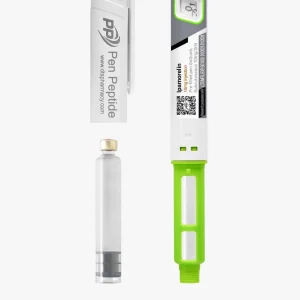

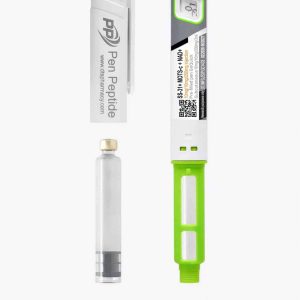
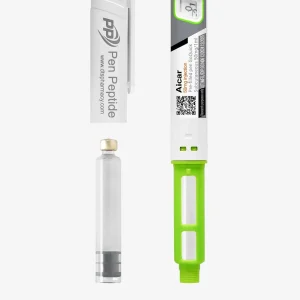 AICAR | 50mg