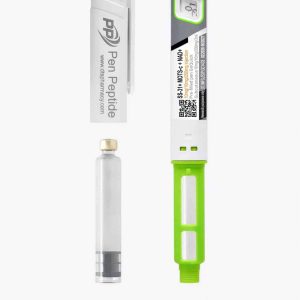
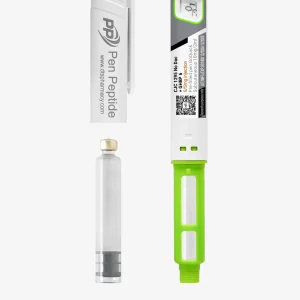
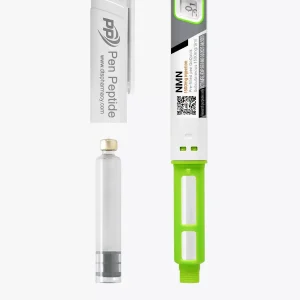
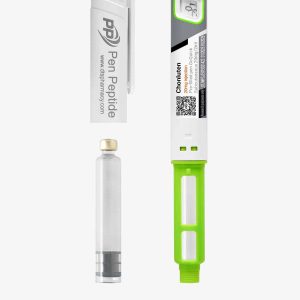
 Chonluten (Glu-Asp-Gly) | 20mg/2ml
$79.00
$79.00
Chonluten is a synthetic tripeptide (Glu-Asp-Gly) developed to support lung function, promote respiratory tissue repair, and modulate immune activity in the lungs. It has been studied for its ability to enhance bronchial and alveolar regeneration, reduce oxidative stress, and improve oxygen exchange—making it especially relevant for chronic respiratory conditions, post-infection recovery, and long-term pulmonary health.
Derived from research into naturally occurring bioregulatory peptides, Chonluten is designed to protect lung tissues from inflammation, environmental pollutants, and fibrosis-related damage. Its applications are being explored in areas such as COPD and asthma management, recovery from viral respiratory infections, and adaptation to low-oxygen environments.
Chonluten functions as a lung-supporting tripeptide that promotes bronchial and alveolar regeneration, regulates immune activity in respiratory tissues, and enhances oxygen exchange efficiency. Its mechanism of action involves stimulating lung cell repair, reducing oxidative stress, and modulating inflammatory responses, making it relevant for chronic lung disease management, post-infection recovery, and pulmonary health optimization.
Chonluten has been extensively studied for its potential role in lung tissue regeneration, immune system regulation, and respiratory function optimization. As a bioregulatory tripeptide, it has been investigated for its ability to support bronchial epithelial repair, enhance oxygen exchange efficiency, and modulate inflammatory responses in pulmonary tissues.
Post-Viral Lung Recovery
Helps restore lung function after infections such as pneumonia, influenza, and COVID-19 by promoting epithelial regeneration and preventing fibrosis.
Chronic Respiratory Conditions
Shown to reduce inflammation and airway remodeling in conditions like COPD and asthma, improving breathing capacity and lung elasticity.
Hypoxia and Altitude Adaptation
Enhances oxygen utilization and pulmonary performance in low-oxygen environments, supporting individuals with chronic respiratory insufficiency.
Pulmonary Fibrosis Management
May help regulate fibroblast activity and prevent excessive scar tissue formation, preserving lung function in fibrotic disorders.
Environmental Lung Protection
Supports resilience against airborne toxins and occupational pollutants by strengthening cellular defense pathways.
Chonluten (Glu-Asp-Gly) is a synthetic tripeptide composed of three amino acids: Glutamic acid (Glu), Aspartic acid (Asp), and Glycine (Gly). This peptide is designed to target specific cellular pathways related to immune modulation, muscle regeneration, and tissue repair. Its simple yet efficient structure allows for potent biological activity while maintaining stability and bioavailability in therapeutic applications.
The tripeptide structure of Chonluten is composed of just three amino acids, providing a compact chain that facilitates both stability and efficacy. By focusing on a minimal sequence, the peptide retains its biological activity while ensuring it is not easily degraded by the body’s natural processes.
The small size of Chonluten makes it highly bioavailable, which means it is easily absorbed by the body and can efficiently reach its target tissues. This is particularly beneficial for therapeutic applications in muscle recovery, cartilage regeneration, and immune system support, where localized and direct action is essential. The peptide’s low molecular weight ensures that it can penetrate tissues effectively, promoting healing and regeneration.
Due to its simple, short peptide structure, Chonluten (Glu-Asp-Gly) has low immunogenicity, meaning it is less likely to induce an immune response compared to larger proteins or complex molecules. This feature makes it more suitable for clinical and therapeutic use without the risk of unwanted allergic reactions or immune system interference. The biocompatibility of the peptide ensures that it integrates well with the body’s natural repair processes.
Chonluten was developed as part of ongoing research into bioregulatory peptides that support lung function, enhance respiratory tissue regeneration, and regulate immune responses within pulmonary structures. As a synthetic tripeptide, it was designed to stimulate bronchial and alveolar repair, reduce oxidative stress, and optimize lung function, making it a significant advancement in pulmonary medicine and respiratory health research.
Today, Chonluten remains the focus of extensive research in pulmonology, regenerative medicine, and respiratory function enhancement. Its ability to promote bronchial regeneration, regulate lung inflammation, and improve pulmonary efficiency continues to drive interest in its applications for asthma research, COPD therapy, and long-term lung health maintenance. Ongoing studies aim to further expand its therapeutic potential in respiratory medicine and environmental lung protection strategies.
Chonluten is a synthetic tripeptide known for its role in lung tissue repair, immune regulation, and respiratory function optimization. Its ability to promote bronchial epithelial regeneration, reduce inflammation, and enhance oxygen exchange makes it a valuable subject of study in chronic lung disease management, post-infection recovery, and pulmonary health enhancement.
These characteristics position Chonluten as a valuable research peptide for pulmonary regeneration, chronic lung disease prevention, and respiratory health resilience.
Chonluten has been studied for its lung-regenerating, immune-regulating, and respiratory-enhancing properties, and research indicates that it is generally well tolerated in experimental settings. However, as with any bioactive peptide, some individuals may experience mild and temporary side effects, depending on dosage, individual sensitivity, and pre-existing respiratory conditions.
These side effects are typically mild, transient, and dose-dependent, resolving as the body adjusts to Chonluten’s respiratory and immune-modulating effects.
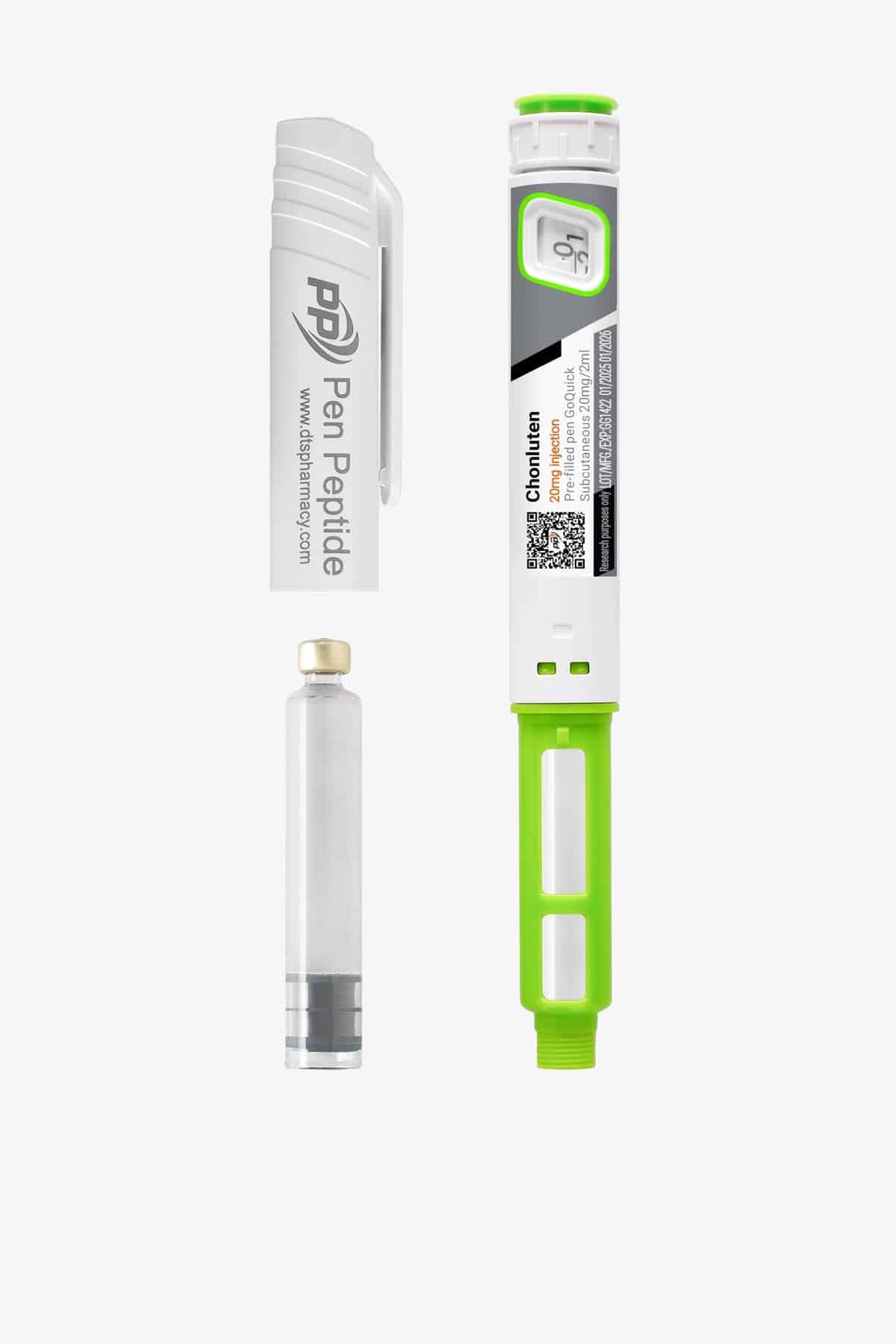
A 20 mg Chonluten pen contains 200 units, with each unit equivalent to 100 micrograms. Example dosing scheme:
These parameters allow for precise dosing and flexibility in research applications.
Chonluten (Glu-Asp-Gly) | 20mg/2ml