What is KPV Peptide?
KPV peptide is a naturally occurring tripeptide-composed of lysine (K), proline (P), and valine (V)-derived from the C-terminal segment of α-melanocyte-stimulating hormone (α-MSH). Often discussed in kpv peptide reddit threads and scientific reviews alike, it has garnered attention for its anti-inflammatory, immunomodulatory, and tissue-regenerating properties. Researchers exploring what is KPV peptide typically highlight its role in inhibiting pro-inflammatory cytokines, supporting gut integrity, and enhancing wound healing. These kpv peptide benefits have spurred interest in fields ranging from inflammatory bowel disease (IBD) and autoimmune disorders to dermatology and integrative medicine.
How Does KPV Peptide Work?
- Cytokine Suppression and Inflammation Control
KPV peptides exert potent anti-inflammatory effects by suppressing pro-inflammatory cytokines such as TNF-α, IL-6, and IL-1. This suppression helps stabilize immune responses in chronic conditions, making KPV peptide a promising candidate for rheumatoid arthritis, inflammatory skin conditions, and gut-related inflammation.
- Melanocortin Receptor Activation
By activating melanocortin receptors (MC1R, MC3R), KPV peptide modulates immune tolerance and reduces overactive inflammatory pathways. Such immunomodulatory capacity underscores its potential to address chronic inflammation, whether in autoimmune diseases or neuroinflammatory processes.
- Wound Healing and Tissue Regeneration
KPV peptide benefits include the stimulation of fibroblast activity and collagen synthesis. This underlies its value in wound care, where faster tissue repair, scar reduction, and enhanced skin barrier integrity are highly desirable outcomes. Many kpv peptide reviews discuss its role in burns, ulcers, and dermatological applications.
- Gut Health and Intestinal Barrier Protection
KPV peptide helps safeguard the intestinal lining by reducing gut permeability and curbing local inflammation. This gastroprotective effect has made it a subject of studies aiming to mitigate IBDs like Crohn’s disease and ulcerative colitis, as well as broader concerns around leaky gut syndrome.
- Immune System Regulation
By balancing immune responses, KPV peptide may reduce flare-ups in autoimmune disorders. Researchers have found that it tempers excessive immune activation without fully suppressing necessary protective functions, thus aiding in conditions linked to immune dysregulation.
Research on KPV Peptide
Anti-Inflammatory and Immune Modulation Studies
Early investigations into kpv peptide established its capability to lower cytokine production, especially in persistent inflammatory states. This finding inspired further research into kpv peptide cancer models, where chronic inflammation often plays a role in tumor microenvironments. While human trials remain limited, the existing data highlight KPV as a potent mediator of immune homeostasis.
Gut Health and Inflammatory Bowel Disease (IBD)
Given its action on epithelial integrity and inflammatory cytokines, KPV peptide has become a focus in integrative approaches to Crohn’s disease, ulcerative colitis, and leaky gut. Preliminary evidence suggests that KPV peptide benefits may include decreased intestinal permeability and improved gut barrier function-key components in IBD management.
Skin Healing and Regenerative Medicine
Integrative peptides KPV formulations are of great interest in dermatological research. By fostering tissue repair and collagen deposition, KPV peptide capsules or topical preparations may accelerate wound healing, alleviate inflammatory skin conditions, and even reduce scarring. This aspect resonates with healthcare practitioners looking to expand non-steroidal therapeutic options.
Neuroinflammation and CNS Protection
Although studies are still emerging, kpv peptide shows potential for mitigating neuroinflammation by inhibiting microglial activation. This property has propelled exploratory work into neurodegenerative diseases such as Alzheimer’s and Parkinson’s, where inflammatory pathways contribute to disease progression.
Autoimmune and Chronic Inflammatory Disorders
In line with its immune-regulatory role, KPV peptide is being studied for autoimmune ailments like lupus and multiple sclerosis. The theory is that by modulating immune overreactions, KPV could help preserve tissue integrity and reduce inflammatory damage. Researchers seeking kpv peptide reviews often focus on these autoimmune contexts for real-world insights.
KPV Peptides – Structural and Molecular Properties
KPV peptides represent a specific fragment-lysine-proline-valine-originating from the α-MSH hormone. Key attributes include:
- High Specificity: The tripeptide design retains anti-inflammatory and healing effects of α-MSH without prompting melanin production.
- Versatile Formulation: KPV peptide injection, oral consumption (kpv peptide capsules), and topical use are all explored, thanks to KPV’s broad immunomodulatory reach.
- Receptor Affinity: KPV binds selectively to melanocortin receptors, enabling precise immune and inflammatory regulation.
History and Development of KPV Peptide
Derived from the study of α-MSH, KPV peptide was identified in the quest to isolate potent anti-inflammatory elements without eliciting the melanogenic activity of the parent hormone. By zeroing in on the C-terminal fragment (lysine, proline, valine), scientists unlocked a stable, targeted peptide with significant immunomodulatory promise.
Modern research continues to explore the synergy between KPV peptide dosage approaches and other anti-inflammatory modalities. Investigations span from kpv peptide bodybuilding (to aid in muscle repair and recovery) to potential applications in chronic disease management, reinforcing KPV’s place in integrative and regenerative medicine.
Benefits and Potential Applications of KPV Peptide
- Autoimmune Disease Management: KPV peptide lowers key inflammatory cytokines, reducing tissue damage and immune dysregulation in diseases like rheumatoid arthritis and lupus. This balanced approach can offer improved quality of life for individuals with persistent autoimmune flare-ups.
- Gut Health Optimization: For those with Crohn’s disease, ulcerative colitis, or general intestinal inflammation, kpv peptide benefits may include enhanced mucosal healing and lowered gut permeability. Such effects hold promise for integrative protocols seeking to address digestive system dysfunction.
- Skin Regeneration and Wound Care: By accelerating collagen production and reducing local inflammation, KPV fosters faster wound closure, better scar outcomes, and relief in dermatological conditions. KPV peptide reviews from dermatology specialists underscore its potential as an adjunct or alternative to corticosteroids.
- Chronic Inflammation and Immune Overactivity: Integrative peptides KPV are often examined for broader inflammatory conditions that extend beyond autoimmunity or IBD. Chronic stress, allergies, and even metabolic syndromes may benefit from the peptide’s immunomodulatory action.
- Neuroinflammatory and CNS Applications: Early-stage research hints at kpv peptide playing a part in mitigating neuroinflammation, a crucial factor in multiple sclerosis and other CNS pathologies. Its ability to dampen overzealous immune responses could open new avenues in neurological care.
KPV Peptide Dosage, Forms, and Administration
- Oral Capsules: Many kpv peptide capsules blends combine convenience with targeted GI tract benefits, particularly for IBD-related inflammation.
- Injection Protocols: KPV peptide injection can deliver potent local or systemic effects, though dosage protocols vary based on clinical or research endpoints.
- Topical Formulations: Wound healing and dermatological applications often use creams or gels, capitalizing on direct application to affected tissue.
No universal kpv peptide dosage exists yet, with ongoing trials aiming to define optimal regimens for specific conditions. Anecdotal discussion threads-such as kpv peptide reddit-may offer preliminary user experiences, but formal scientific guidance remains the gold standard for safe administration.
Possible KPV Peptide Side Effects
KPV peptide side effects are generally mild, transient, and aligned with other peptide therapies:
- Injection Site Reactions: Minor redness, swelling, or localized irritation may occur with kpv peptide injection.
- Gastrointestinal Discomfort: Oral forms might occasionally lead to nausea or bloating, particularly when starting new kpv peptides supplementation.
- Fatigue or Drowsiness: Reductions in systemic inflammation can sometimes induce mild fatigue as the body recalibrates.
- Temporary Headaches: Rare, short-lived headaches may result from immune and cytokine modulation.
- Potential Immune Shifts: While KPV balances immune function, very high or prolonged dosing might theoretically alter immune responses, although no severe immunosuppression has been reported.
To maintain safety, researchers and medical professionals advise starting with conservative kpv peptide dosage strategies and monitoring individual responses. Consulting healthcare providers and reputable kpv peptide reviews can help ensure responsible use.
Additional Insight on KPV Peptide Applications
From chronic inflammatory conditions to kpv peptide bodybuilding objectives, KPV has demonstrated a unique capacity to modulate immune function, reinforce gut integrity, and expedite wound repair. Whether administered as kpv peptide capsules, topical formulations, or kpv peptide injection, its versatility supports a broad range of applications. As scientific exploration advances, integrative peptides like KPV may offer well-tolerated solutions for managing inflammation, immune dysregulation, and other health challenges.
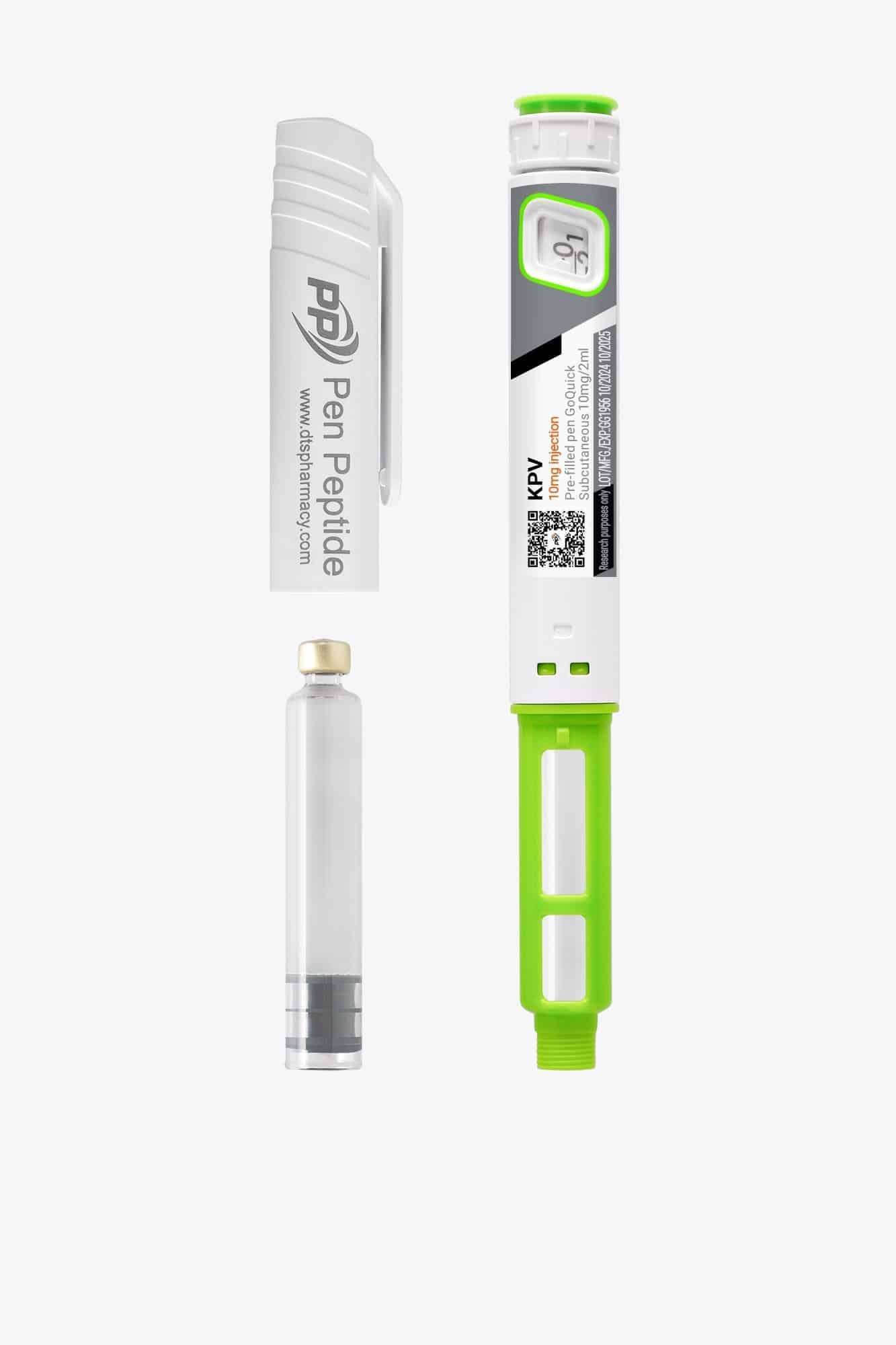
KPV Peptide | Pre-Mixed Pen – Unit and Microgram (mcg), Milligram (mg) Analysis
A 10mg KPV Peptide pen contains 200 units, with each unit equivalent to 50 micrograms. Example dosing scheme:
- 1 unit = 50μg
- 4 units = 200μg
- 5 units = 250μg
- 10 units = 500μg
These parameters allow for precise dosing and flexibility in research applications.
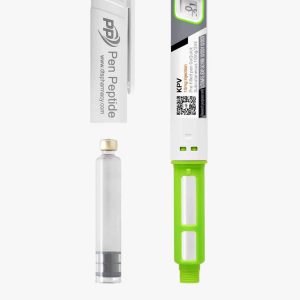 KPV Peptide | 10mg