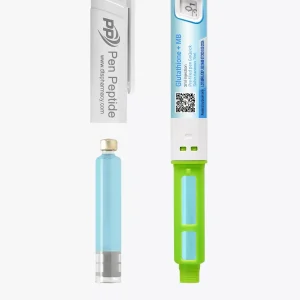
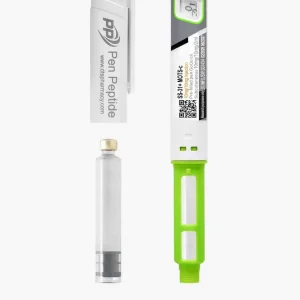
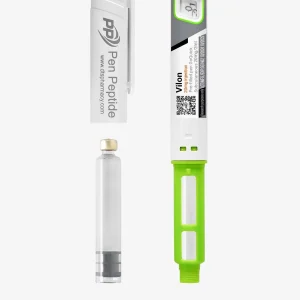
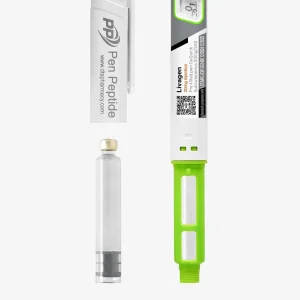
 Livagen (Lys-Glu-Asp-Ala) | 20mg/2ml
$79.00
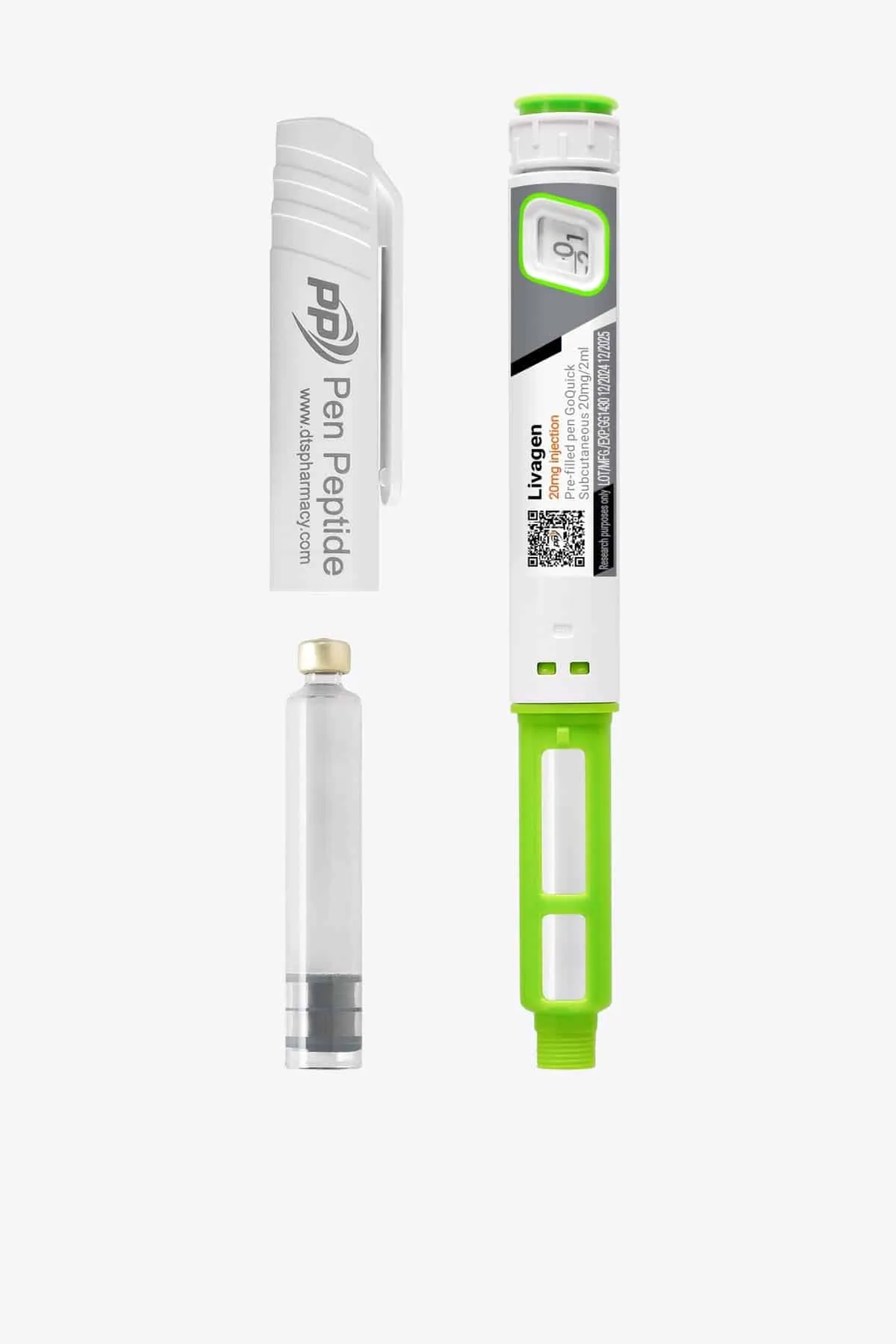
$79.00
Livagen is a synthetic tetrapeptide (Lys-Glu-Asp-Ala) developed to regulate gene expression, support DNA stability, and promote cellular function. Originating from research on short peptides involved in epigenetic regulation, Livagen has shown potential in enhancing protein synthesis, cellular longevity, and immune coordination.
Its ability to interact with DNA-regulatory elements and influence transcriptional activity makes it relevant in fields such as anti-aging research, regenerative medicine, and metabolic optimization.
Livagen works by targeting several fundamental processes involved in cellular health and systemic regulation:
Livagen has been studied in various biological systems due to its regulatory impact on genes and cellular repair:
Liver Function and Detoxification Support
Research suggests Livagen may assist in hepatic cell regeneration and enzymatic detox pathways, making it of interest in liver health and systemic cleansing protocols.
Cardiovascular Health and Endothelial Function
Some studies have examined its role in maintaining vascular tone and endothelial integrity, particularly relevant in age-related circulatory dysfunction.
Digestive Health and Microbiome Interaction
Livagen may contribute to gut lining repair and enzyme regulation, helping maintain intestinal balance and systemic immune signaling via the gut-brain axis.
Hormonal Balance and Endocrine System Regulation
Livagen has been explored for its regulatory effects on the pituitary-thyroid-adrenal axis, suggesting a potential role in hormonal balance and stress resilience.
Tissue Repair and Musculoskeletal Function
Preclinical investigations suggest Livagen may help stimulate regeneration in musculoskeletal tissues, supporting joint health and tissue integrity.
Livagen is designed for its biological activity in immune modulation, tissue repair, and inflammation control. The precise sequence of amino acids in Livagen supports specific cellular pathways involved in musculoskeletal health, cellular regeneration, and immune response regulation.
The tetrapeptide structure of Livagen provides a compact chain that balances biological potency and stability. By utilizing a short sequence, Livagen is able to interact effectively with receptors and cells involved in regenerative processes without the risk of rapid degradation.
The sequence of Lys-Glu-Asp-Ala is designed to target specific receptors in muscle and immune cells, promoting tissue regeneration and immune modulation. The positively charged lysine residue allows Livagen to interact with cell membranes and cell surface receptors, while the acidic glutamic acid and aspartic acid residues facilitate immune signaling and cytokine regulation. Alanine provides additional structural integrity, supporting muscle regeneration and tissue healing.
Due to its small size, Livagen offers high bioavailability, allowing for efficient absorption and targeted delivery to muscle tissue, immune cells, and damaged tissues. This enables the peptide to penetrate tissues effectively and perform its regenerative functions, promoting cellular repair, muscle regeneration, and immune system support in targeted areas.
The short peptide chain and simple amino acid composition of Livagen contribute to low immunogenicity, meaning it is less likely to provoke an immune response. This characteristic makes Livagen safe for clinical applications, especially in chronic conditions where long-term use is required. The peptide can support immune health without introducing significant risk of allergic reactions or immune system interference.
Livagen was developed as part of a scientific effort to explore peptides that influence epigenetic regulation and cellular repair. It emerged from studies into age-related gene expression decline and metabolic inefficiency.
Ongoing research continues to explore its applications in restoring transcriptional balance, improving immune resilience, and preventing tissue dysfunction across multiple organ systems.
Livagen offers multiple benefits for biological regulation and systemic support:
Livagen has been studied for its gene-regulating, immune-enhancing, and metabolic-optimizing properties, and research indicates that it is generally well tolerated in experimental settings. However, like any bioactive peptide, Livagen may be associated with mild and temporary side effects, depending on dosage, individual response, and duration of use.
These side effects are typically mild, transient, and dose-dependent, resolving as the body adjusts to Livagen’s regulatory effects.
A 20 mg Livagen pen contains 200 units, with each unit equivalent to 100 micrograms. Example dosing scheme:
These parameters allow for precise dosing and flexibility in research applications.
Livagen (Lys-Glu-Asp-Ala) | 20mg/2ml