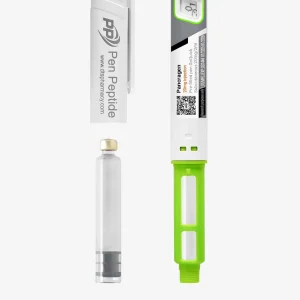
 Pancragen (Lys-Glu-Asp-Trp) | 20mg/2ml
$79.00
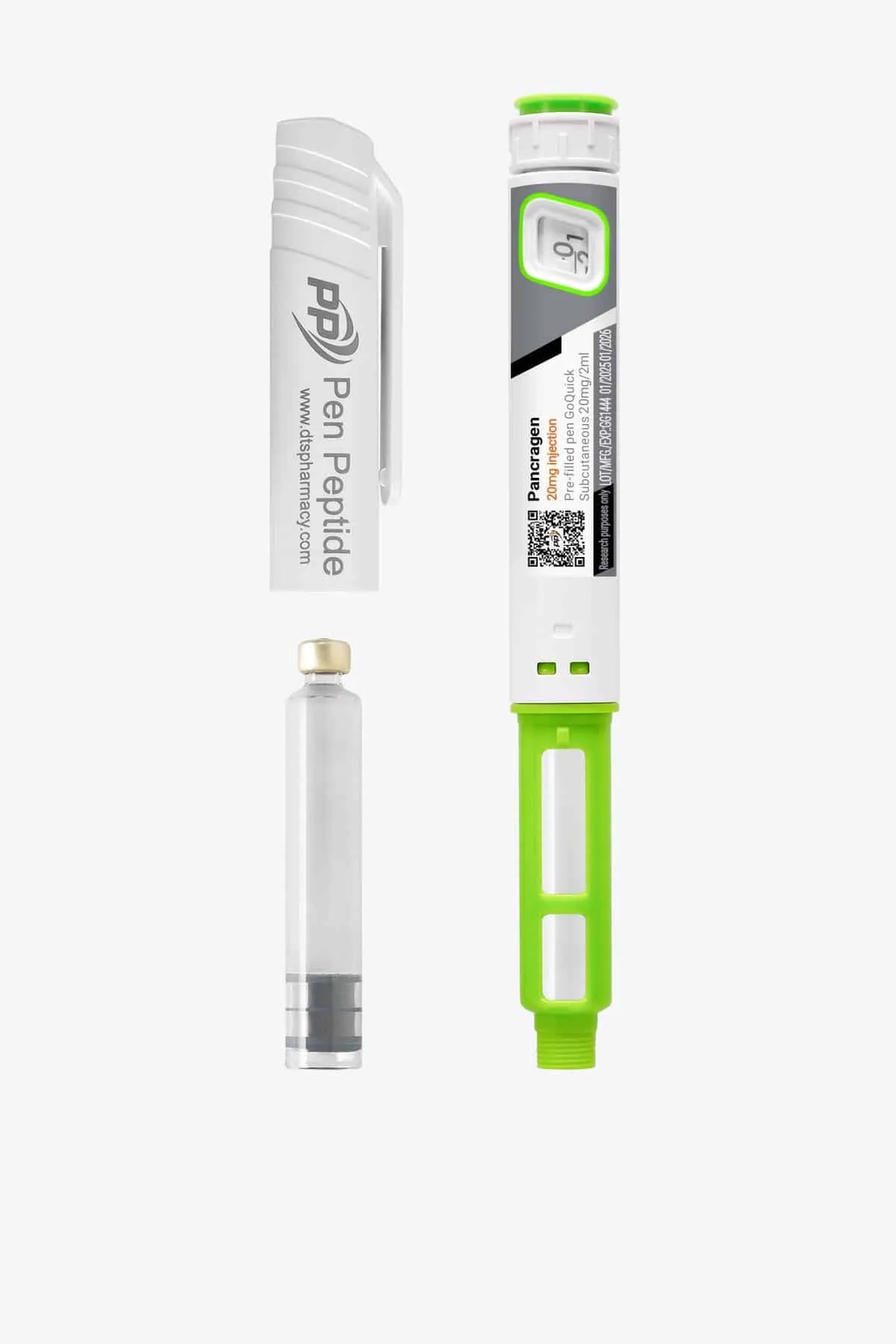
$79.00
Pancragen is a synthetic tetrapeptide composed of lysine, glutamic acid, aspartic acid, and tryptophan. It has been developed to support the pancreas, assist in glucose metabolism, and promote hormonal balance. By acting on insulin-producing cells and metabolic pathways, Pancragen plays a regulatory role in energy homeostasis and carbohydrate utilization.
This peptide has drawn scientific interest for its possible applications in metabolic health, particularly in addressing impaired insulin action, pancreatic fatigue, and glucose intolerance.
Pancragen operates through several interconnected mechanisms that impact pancreatic function and glucose regulation:
Ongoing studies focus on Pancragen’s potential for preventing and managing metabolic dysfunction:
Glucose Regulation in Obesity and Type 2 Diabetes
Evidence indicates that Pancragen may help regulate blood sugar and improve insulin action, even in obesity-linked metabolic disturbances. Its function in preserving insulin secretion under stress is especially promising.
Pancreatic Regeneration
Initial findings suggest that Pancragen might support β-cell regeneration, which is critical in cases of pancreatic exhaustion or damage. This could be useful in both early and advanced metabolic dysfunctions.
Pancragen (Lys-Glu-Asp-Trp) is a synthetic tetrapeptide composed of four amino acids: Lysine (Lys), Glutamic acid (Glu), Aspartic acid (Asp), and Tryptophan (Trp). This peptide was designed for its potential to target immune modulation, tissue regeneration, and metabolic regulation, particularly in the context of pancreatic function, digestion, and inflammation control.
The tetrapeptide structure of Pancragen consists of four amino acids, providing a compact yet potent sequence that can perform specific biological functions. The peptide’s short length contributes to its stability, allowing it to resist enzymatic degradation and remain active within the body for longer durations. The design ensures that Pancragen can penetrate the tissues where it is needed and remain bioactive, enhancing its potential for therapeutic applications.
The small size of Pancragen increases its bioavailability, allowing it to penetrate tissues efficiently. This property is particularly beneficial when delivering therapeutic peptides to targeted areas, such as the pancreas, muscle, or immune cells. The ability of Pancragen to easily reach inflammatory sites or damaged tissues ensures its regenerative and anti-inflammatory effects are maximized in localized treatment.
The short peptide chain and simple amino acid composition of Pancragen contribute to its low immunogenicity, meaning it is less likely to induce immune system reactions compared to larger, more complex proteins. This makes it a safe candidate for long-term therapeutic use, as it reduces the likelihood of adverse immune responses. Pancragen can be used for sustained treatment without causing significant immune interference.
Pancragen was developed as part of peptide-based research focused on managing endocrine and metabolic diseases. The aim was to create a molecule capable of modulating pancreatic output and promoting glucose homeostasis.
With the rising global incidence of metabolic disorders, Pancragen is being explored as a potential adjunct in modern therapeutic strategies—particularly for those seeking alternatives or complements to traditional diabetic medications.
Pancragen may offer therapeutic and preventive benefits across various metabolic conditions:
Pancragen (Lys-Glu-Asp-Trp) has shown promising effects in regulating insulin secretion, improving insulin sensitivity, and supporting pancreatic health. However, as with any peptide or therapeutic compound, there may be potential side effects. Most of these side effects are mild and transient, typically related to the body’s adjustment to changes in glucose metabolism and hormonal regulation. Here are some of the potential side effects:
These side effects are generally mild and transient, with no long-term adverse reactions reported in preclinical and clinical research. However, further studies continue to explore the long-term safety profile and potential immune interactions of Pancragen.
A 20 mg Pancragen pen contains 200 units, with each unit equivalent to 100 micrograms. Example dosing scheme:
These parameters allow for precise dosing and flexibility in research applications.
Pancragen (Lys-Glu-Asp-Trp) | 20mg/2ml