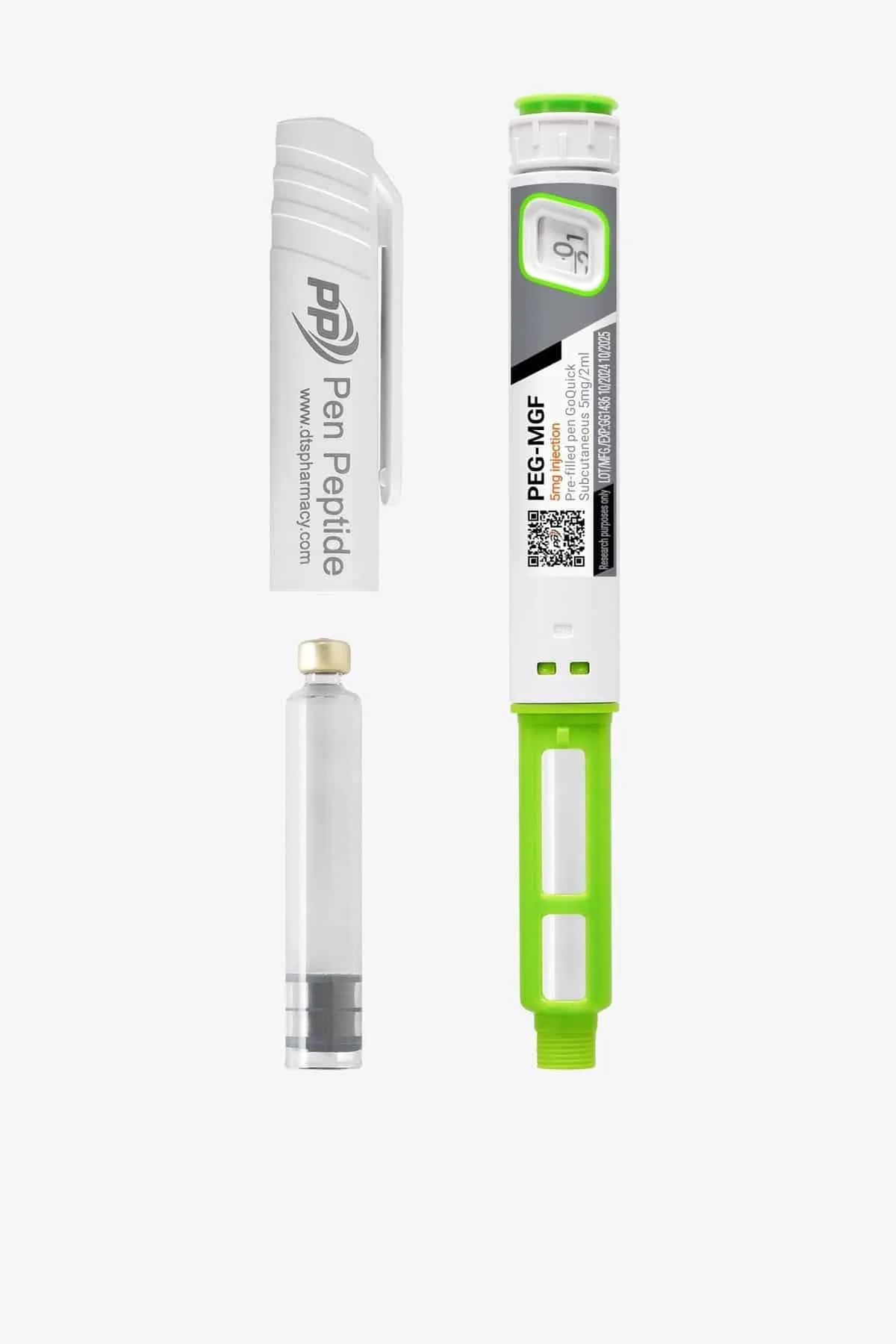
PEG-MGF (Pegylated Mechano Growth Factor), also referred to as pegmgf, is a modified form of Mechano Growth Factor (MGF)—a splice variant of insulin-like growth factor-1 (IGF-1) known to play a central role in muscle regeneration and tissue repair. Unlike unmodified MGF, peg mgf incorporates a polyethylene glycol (PEG) molecule that extends its half-life, increases stability, and makes it more resistant to enzymatic breakdown. This enhancement allows for prolonged activity, supporting more effective muscle growth, wound healing, and cellular regeneration over time.
How Does PEG-MGF Work?
Muscle Regeneration and Repair MGF is produced in response to mechanical stress or muscle damage (e.g., exercise, injury), activating satellite cells crucial for muscle regeneration. As a peptide peg mgf, PEG-MGF binds to IGF-1 receptors on muscle cells, stimulating protein synthesis and promoting the repair of damaged fibers.
Prolonged Activity via PEGylation By attaching PEG molecules to MGF, peg mgf remains active longer in the body, ensuring extended regenerative effects. This PEGylation process helps counteract rapid degradation, allowing for sustained tissue repair, muscle hypertrophy, and overall mgf peptide benefits.
Stimulation of Protein Synthesis PEG-MGF triggers growth pathways, including AKT and mTOR, both of which are pivotal for muscle protein synthesis. These pathways support the building of new muscle fibers and accelerate the recovery of injured tissues.
Enhanced Recovery and Reduced Muscle Wasting Because of its extended bioavailability, PEG-MGF has shown promise in mitigating muscle wasting conditions such as muscular dystrophy and sarcopenia. Through ongoing research, peg mgf results suggest improvement in muscle mass preservation and a decrease in atrophy progression.
Improvement in Wound Healing Beyond muscle tissue, PEG-MGF supports wound healing by promoting collagen production and encouraging cellular regeneration. This can aid in faster recovery from surgeries, injuries, and various soft tissue traumas.
Research on PEG MGF Peptide
Investigations into peg mgf peptide benefits have highlighted its role in regenerative medicine. The pegmgf molecule’s stable structure enables it to remain active for extended periods, facilitating enhanced muscle recovery, tissue repair, and potential neuroprotective effects:
Enhanced Healing in Musculoskeletal Injuries: Studies show that PEG-MGF can accelerate recovery in tendons, ligaments, and cartilage by activating satellite cells and boosting collagen synthesis.
Neuroprotective and Anti-Aging Potential: Preliminary research suggests that some of the regenerative mechanisms in PEG-MGF may extend to nerve cells, offering avenues for broader therapeutic applications.
PEG-MGF – Structural and Molecular Properties
PEG-MGF consists of the original Mechano Growth Factor peptide conjugated with PEG molecules that protect it from rapid breakdown. This PEGylation yields:
Extended Half-Life: The PEG layer shields MGF from enzymatic degradation, prolonging circulation time.
Selective Receptor Affinity: PEG-MGF retains high affinity for IGF-1 receptors while offering increased stability.
Improved Therapeutic Potential: This robust molecular structure is key to achieving significant peg mgf results in muscle recovery and tissue regeneration research.
History and Development of PEGMGF
Developed to overcome the short half-life of standard MGF, PEG-MGF emerged as a more effective agent for muscle repair, tissue regeneration, and potential immune modulation. Researchers aimed to expand its therapeutic applications by making the peptide more stable and bioavailable:
Clinical Investigations: Current studies focus on muscle recovery, joint and cartilage health, and the role of PEG-MGF in mitigating inflammatory processes.
Future Directions: As scientific understanding grows, potential applications may extend to cognitive health, joint regeneration, and advanced anti-aging interventions.
Benefits and Potential Applications of PEG-MGF
Improved Recovery from Muscle Injury and Surgery By sustaining MGF’s regenerative effects, peg mgf peptide benefits include faster muscle fiber repair, reduced downtime, and better post-surgical outcomes.
Enhanced Muscle Hypertrophy and Strength PEG-MGF activates satellite cells and boosts protein synthesis, supporting muscle hypertrophy and improved athletic performance over time.
Anti-Aging and Skin Regeneration Through collagen stimulation and cellular renewal, PEG-MGF has shown potential in skin rejuvenation, helping reduce wrinkles, scarring, and other age-related skin changes.
Treatment for Muscular Wasting Conditions MGF peptide benefits are particularly relevant in diseases characterized by muscle atrophy. PEG-MGF may slow progression and stimulate muscle regeneration, improving quality of life in affected individuals.
Anti-Inflammatory Effects Research indicates that PEG-MGF can modulate inflammatory responses, potentially reducing pain and swelling in both acute and chronic conditions.
Possible Side Effects of PEG-MGF
While peg mgf side effects are generally mild, individual responses vary. Reported concerns include:
Injection Site Reactions: Local redness or swelling may occur following subcutaneous administration.
Headaches: Minor headaches can arise due to shifts in blood flow or growth factor activity.
Fatigue or Lethargy: The metabolic changes induced by pegmgf may temporarily cause tiredness as the body adapts.
Dizziness: Some users experience light-headedness, potentially linked to fluctuations in blood pressure.
Gastrointestinal Discomfort: Rarely, nausea or stomach cramps may occur while the body adjusts to the peptide.
PEG-MGF | Pre-Mixed Pen – Unit and Microgram (mcg), Milligram (mg) Analysis
A 5mg PEG-MGF pen contains 200 units, with each unit equivalent to 25 micrograms. Example dosing scheme:
1 unit = 25μg
2 units = 50μg
4 units = 100μg
8 units = 200μg
12 units = 300μg
These parameters allow for precise dosing and flexibility in research applications.


 PEG-MGF | 5mg