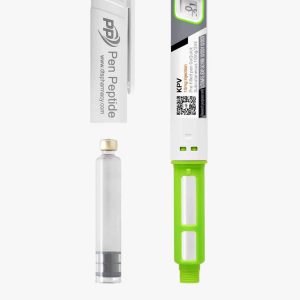
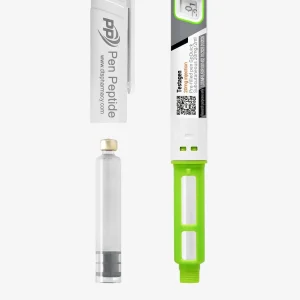
 Testagen (Lys-Glu-Asp-Gly) | 20mg/2ml
$79.00
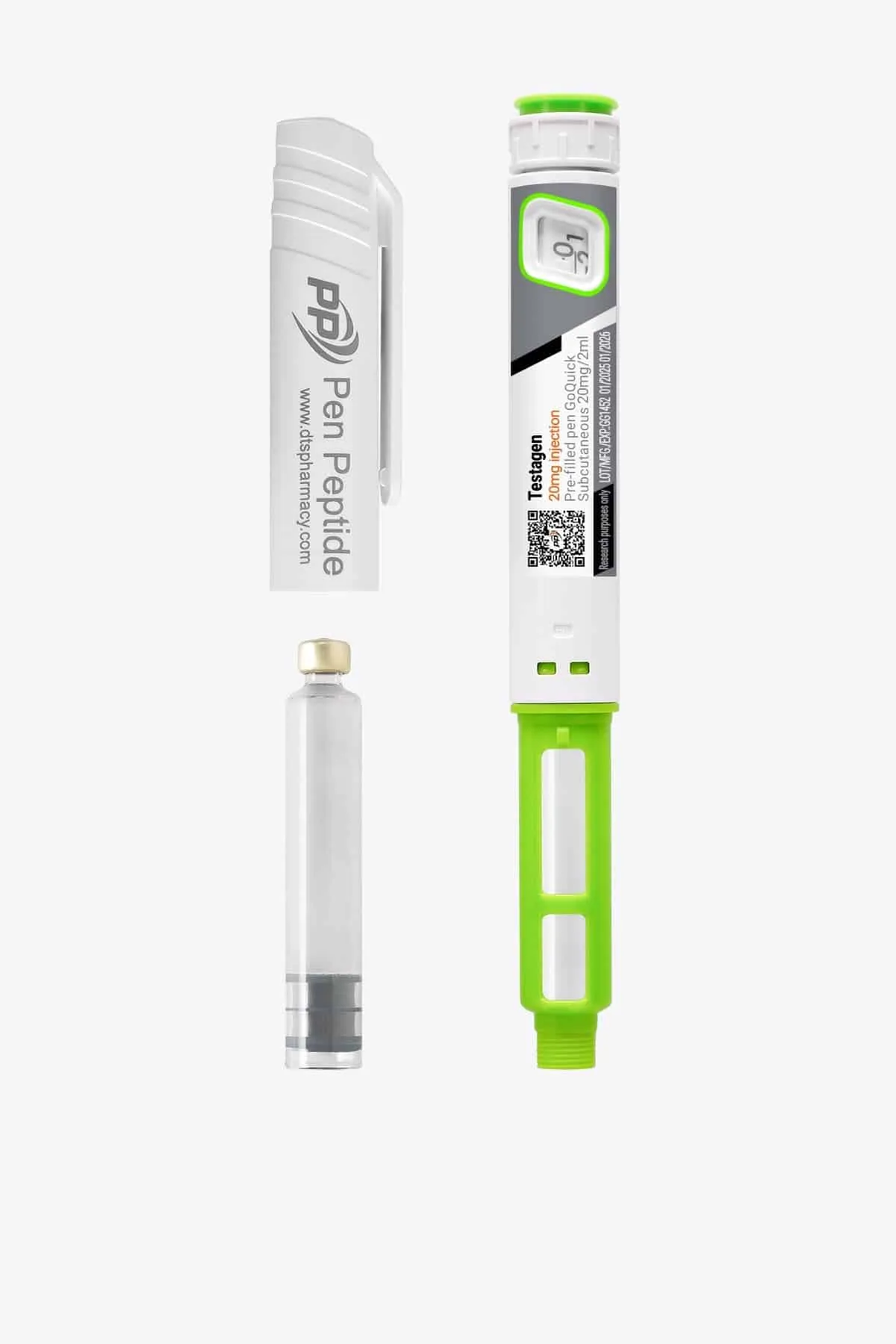
$79.00
Testagen is a synthetic tetrapeptide composed of four amino acids—lysine, glutamic acid, aspartic acid, and glycine—formulated to support cellular balance, enhance regenerative capacity, and aid in physiological resilience. It has gained attention in fields such as immunology, tissue engineering, sports medicine, and metabolic recovery for its potential to activate restorative processes and stabilize systemic functions.
The peptide’s targeted activity lies in modulating gene expression, optimizing amino acid utilization, and promoting communication between immune and structural cells, with promising implications for recovery from tissue stress, immune imbalances, and metabolic dysregulation.
Testagen operates at the cellular level, promoting homeostasis and repair through synergistic effects of its four amino acids:
Recent studies explore Testagen’s potential in several areas of regenerative and preventive medicine:
Soft Tissue Recovery and Cell Proliferation
Experimental models have observed accelerated re-epithelialization and improved extracellular matrix organization following Testagen administration, supporting its potential in post-injury tissue management.
Immune Signaling Efficiency
In vitro investigations show that Testagen may support T-cell receptor function while modulating macrophage activation, contributing to immune homeostasis and protection from immune overactivation.
Skeletal Muscle Support
By enhancing mitochondrial activity and reducing lactic acid buildup, Testagen has shown potential in improving endurance and reducing recovery times in muscle stress models.
Neuroprotective Applications
Glycine’s role in neurotransmitter inhibition has opened research into Testagen’s effect on neuroinflammation, cognitive fatigue, and anxiety-like behaviors under chronic stress conditions.
Testagen (Lys-Glu-Asp-Gly) is a synthetic tetrapeptide composed of four amino acids: Lysine (Lys), Glutamic acid (Glu), Aspartic acid (Asp), and Glycine (Gly). This peptide has been designed to target immune modulation, tissue regeneration, and inflammation control, with particular focus on musculoskeletal health, collagen formation, and metabolic regulation.
The tetrapeptide structure of Testagen ensures a short and efficient chain, providing both stability and functional activity. By focusing on a minimal amino acid sequence, Testagen can effectively interact with cellular receptors while minimizing the risk of enzymatic degradation. This results in a more durable and stable peptide, making it well-suited for therapeutic applications that require sustained bioactivity.
Due to its short peptide chain and small molecular size, Testagen offers high bioavailability, allowing for efficient absorption and rapid tissue penetration. This property ensures that Testagen can be delivered effectively to target tissues, particularly those requiring muscle recovery and tissue repair. The peptide’s ability to penetrate tissues makes it particularly valuable for localized therapeutic applications in musculoskeletal health and immune modulation.
The short peptide structure of Testagen contributes to its low immunogenicity, meaning it is less likely to provoke an immune response when administered. This feature enhances the safety profile of the peptide, making it a suitable option for long-term use without causing allergic reactions or significant immune system interference. The peptide’s biocompatibility ensures that it integrates well with the body’s natural healing processes.
Testagen emerged from research into small peptide modulators that mimic regulatory signals of endogenous repair processes. The development aimed to create a peptide capable of addressing the complex interplay between immune signaling, energy metabolism, and structural repair—without interfering with hormonal systems or overstimulating immunity.
Since its conception, Testagen has been evaluated in multiple preclinical models for its role in accelerating recovery, enhancing metabolic balance, and supporting tissue-specific regeneration. It is currently studied for integration into protocols addressing injury recovery, chronic fatigue, aging, and immune dysfunction.
Due to its combination of amino acids, Testagen has demonstrated a range of potential benefits in areas such as immune modulation, tissue regeneration, inflammatory regulation, and metabolic support. Here are some of the key benefits and potential applications of Testagen:
Although Testagen (Lys-Glu-Asp-Gly) has shown potential for promoting tissue regeneration, immune modulation, and muscle recovery, like any bioactive peptide, it may be associated with side effects in some individuals. These side effects are generally mild and temporary, but it’s important to monitor for any adverse reactions.
A 20 mg Testagen pen contains 200 units, with each unit equivalent to 100 micrograms. Example dosing scheme:
These parameters allow for precise dosing and flexibility in research applications.
Testagen (Lys-Glu-Asp-Gly) | 20mg/2ml